Roborock Saros 20 Sonic: The Tech Behind 2026's Smartest Robot Vacuum
A deep technical analysis of the Roborock Saros 20 Sonic Complete — from StarSight 2.0 navigation to VibraRise 5.0 sonic mopping, AdaptiLift 3.0 chassis, and Matter smart home integration. Available in Switzerland for CHF 1'099.
Key Takeaways
- The Roborock Saros 20 Sonic packs 36,000 Pa of suction (up from 22,000 Pa in the Saros 10R), a VibraRise 5.0 sonic mopping system vibrating at 4,000 times per minute, and the AdaptiLift 3.0 chassis that crosses 8.8 cm double thresholds.
- StarSight Autonomous System 2.0 uses 3D Time-of-Flight + RGB camera + VertiBeam lateral sensors to recognize 300+ obstacle types with a 21x higher sampling frequency than traditional LDS.
- Matter support makes it natively compatible with Apple Home, Google Home, and Alexa — no bridges needed.
- Available in Switzerland at CHF 1’099 on Galaxus.
Why I’m Writing About a Vacuum Cleaner
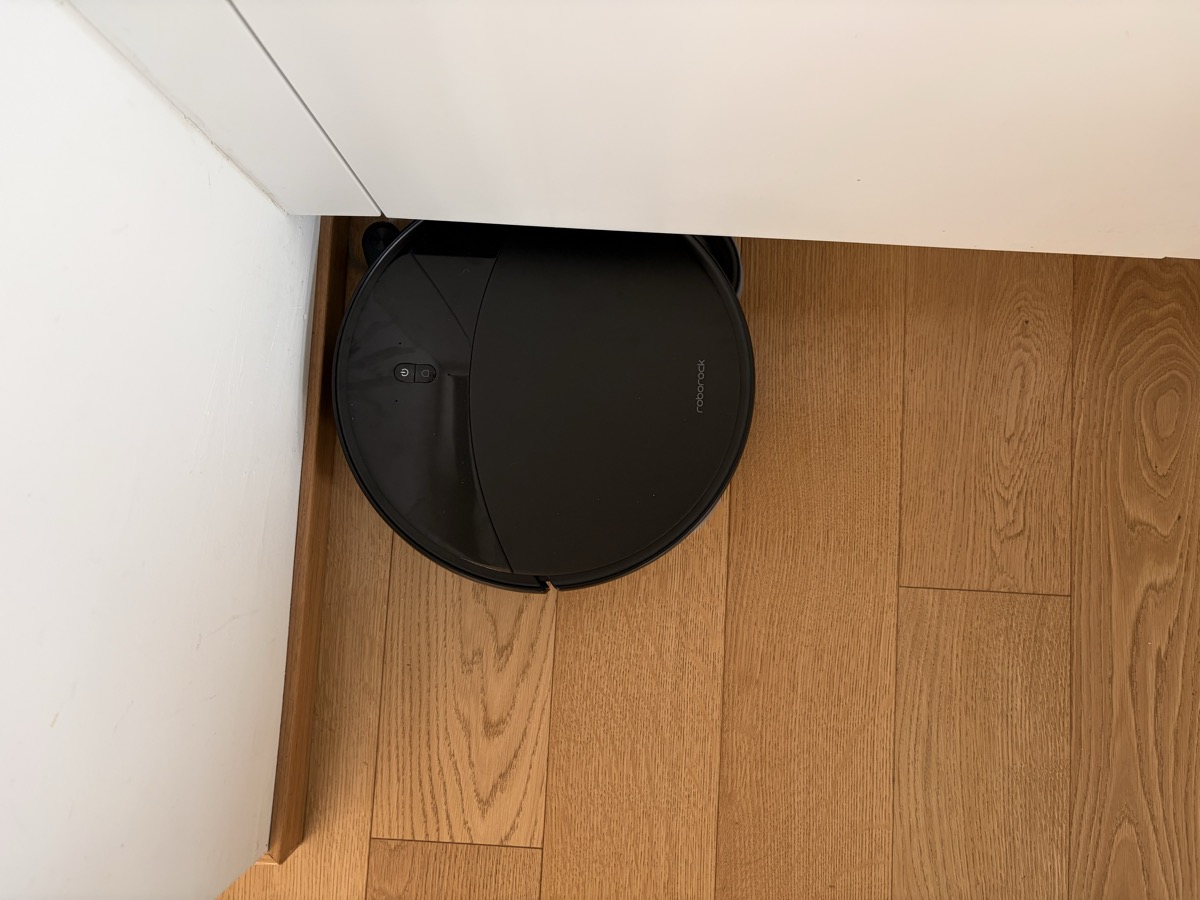
I spend most of my time working on embedded systems, AI tooling, and home automation. But every once in a while, a consumer product comes along that’s interesting from a pure engineering standpoint. The Roborock Saros 20 Sonic is one of those products.
For a full consumer-oriented review with scores and buying advice, check out my detailed review on SpazioiTech.
What I want to focus on here is the technology — the sensor fusion architecture, the mechanical design decisions, and the software intelligence that makes this robot genuinely different from everything else on the market.
The Sensor Stack: StarSight 2.0
The first thing that sets the Saros 20 Sonic apart is what’s not on top of it. There’s no rotating LiDAR turret. Roborock replaced it with a solid-state dual-transmitter LiDAR system integrated flush into the robot’s top surface, keeping the height at just 7.98 cm.
The full sensor stack includes:
- 3D Time-of-Flight front sensor — depth mapping at high frame rates
- RGB camera — object classification and visual SLAM
- VertiBeam structured-light lateral sensors — covering the blind spots behind and to the sides
- Cliff sensors — standard IR drop detection
- Carpet detection — ultrasonic material identification
Together, these generate data at a sampling frequency 21x higher than traditional LDS navigation. The RockMind AI processor fuses these inputs to recognize over 300 obstacle types, up from 108 in the previous generation.
In practical testing by NotebookCheck, the system detected every obstacle placed in its path except a single flat shoelace — an impressively low failure rate. It also correctly identified and navigated around 4x2 cm clamping blocks that would trap most competing robots.
Pet Recognition
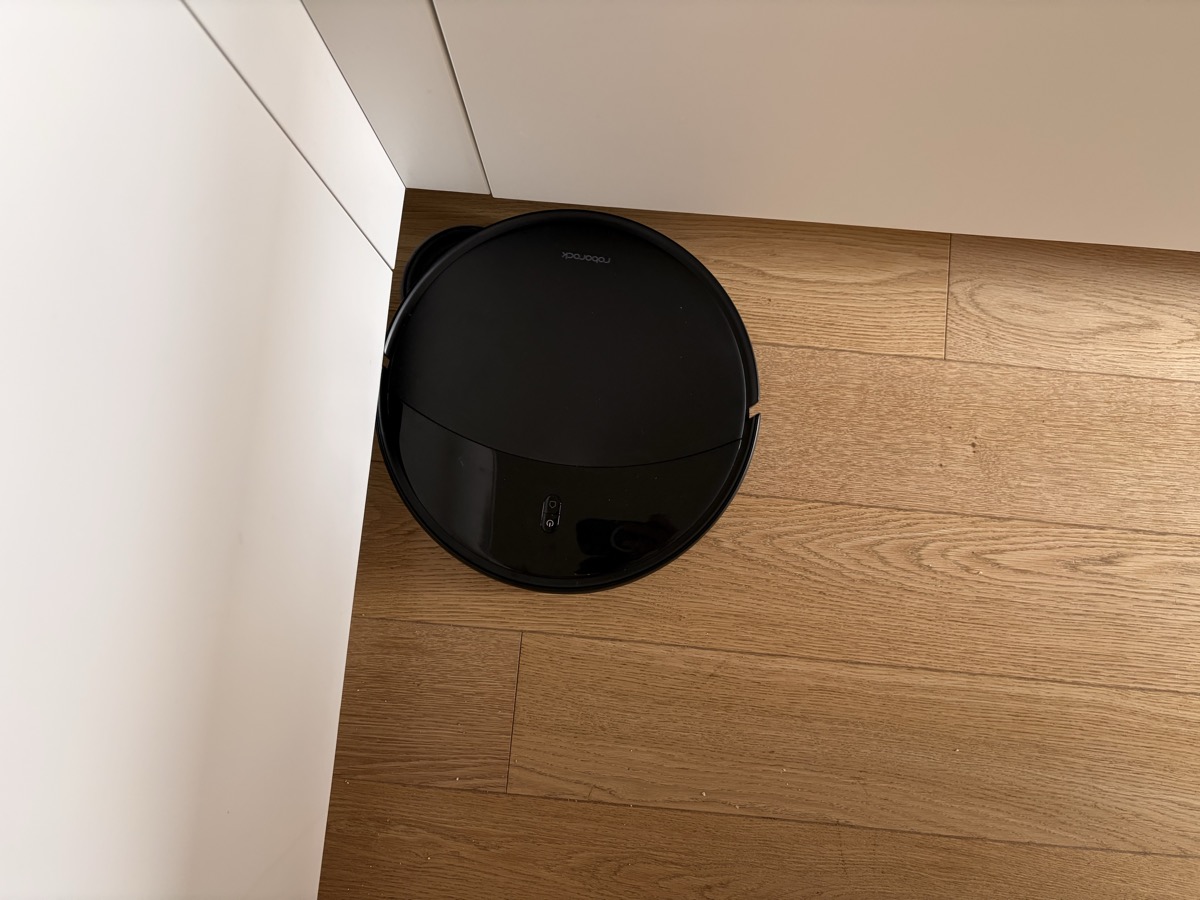
An interesting addition is real-time pet recognition. The RGB camera identifies cats and dogs and adjusts the robot’s speed and path to avoid startling them. It’s a niche feature, but it tells you something about where the AI inference capabilities are heading.
AdaptiLift 3.0: Leg-Based Chassis Architecture
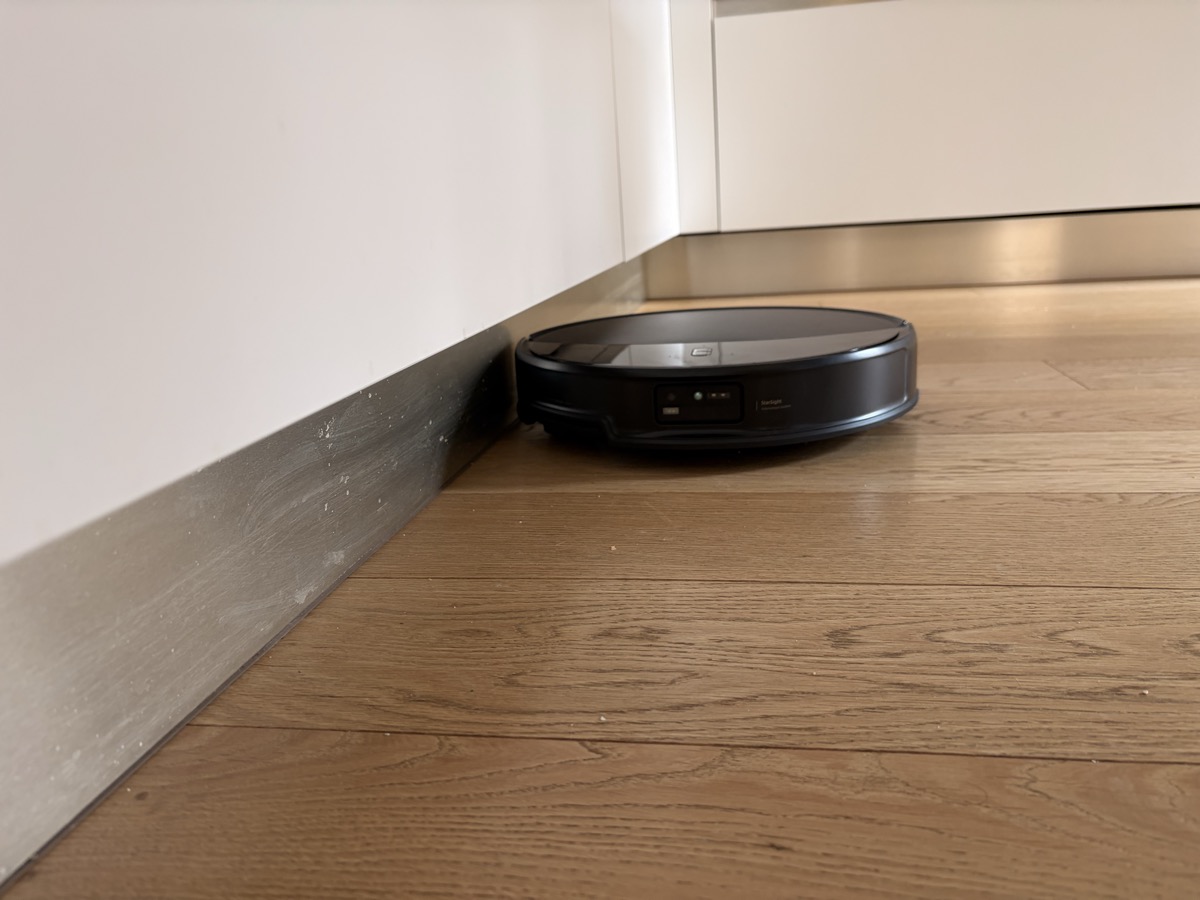
The biggest mechanical innovation is the AdaptiLift 3.0 chassis. Previous Roborock models could lift themselves ~4 cm to cross thresholds. The Saros 20 Sonic handles:
- Single thresholds: up to 4.5 cm
- Double thresholds: up to 8.8 cm (4.5 + 4.3 cm)
This is achieved through what Roborock calls “wheel-leg architecture” — the wheels extend downward on actuated legs, physically lifting the entire robot body. NotebookCheck confirmed the system handles double thresholds without hesitation in real-world testing.
For anyone living in a Swiss apartment or older European home with pronounced door thresholds between rooms, this is arguably the most practical upgrade in the entire product. I’ve seen too many robot vacuums get stuck on the 3 cm marble threshold between my kitchen and living room.
VibraRise 5.0: Sonic vs. Rotary Mopping
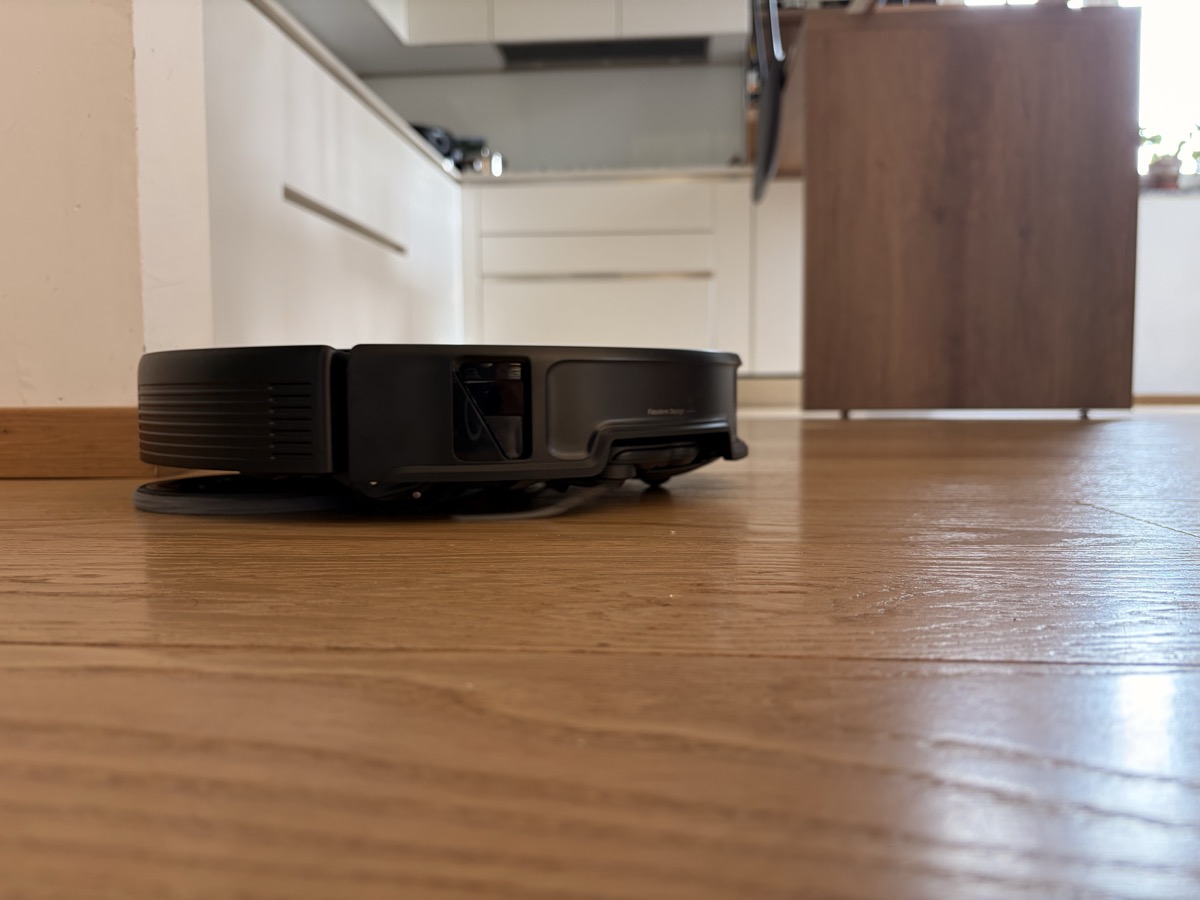
This is where the “Sonic” variant differentiates itself from the standard Saros 20.
Traditional rotary mops (used in the Saros 10R and most competitors) spin two circular pads at ~200 RPM. They work well for daily maintenance but struggle with dried-on stains. The mechanical contact pressure is limited by the robot’s weight distribution.
The VibraRise 5.0 Sonic system uses a D-shaped pad that vibrates at 4,000 oscillations per minute with up to 14N of downward pressure. The key advantages:
- Higher effective scrubbing force — vibration delivers more cleaning energy per unit area than rotation
- Extendable edge cleaning — the D-shaped pad physically extends toward walls, eliminating the “unwashed strip” that plagues round-pad designs
- Automatic carpet lift — the pad retracts when carpet is detected, and the AdaptiLift adjusts for carpet pile up to 3 cm
The dock washes the mop pad with 100°C water (up from 80°C in the previous generation) and dries with 55°C warm air, achieving a claimed 99.99% bacteria removal rate.
Battery and Power Architecture
| Metric | Value |
|---|---|
| Battery capacity | 6,400 mAh |
| Runtime (quiet mode) | ~200 minutes |
| Runtime (standard, 50 m²) | ~90 minutes (40% remaining) |
| Charge time | 2.5 hours (40% faster than gen-1) |
| Standby power | < 5W |
| Monthly energy (daily 50 m²) | ~11 kWh |
NotebookCheck estimates a real-world coverage of ~70 m² per charge in standard mode. The 2.5-hour fast charging is enabled by a higher-wattage dock, though Roborock hasn’t published the exact charging wattage.
Smart Home Integration: Matter Changes Everything
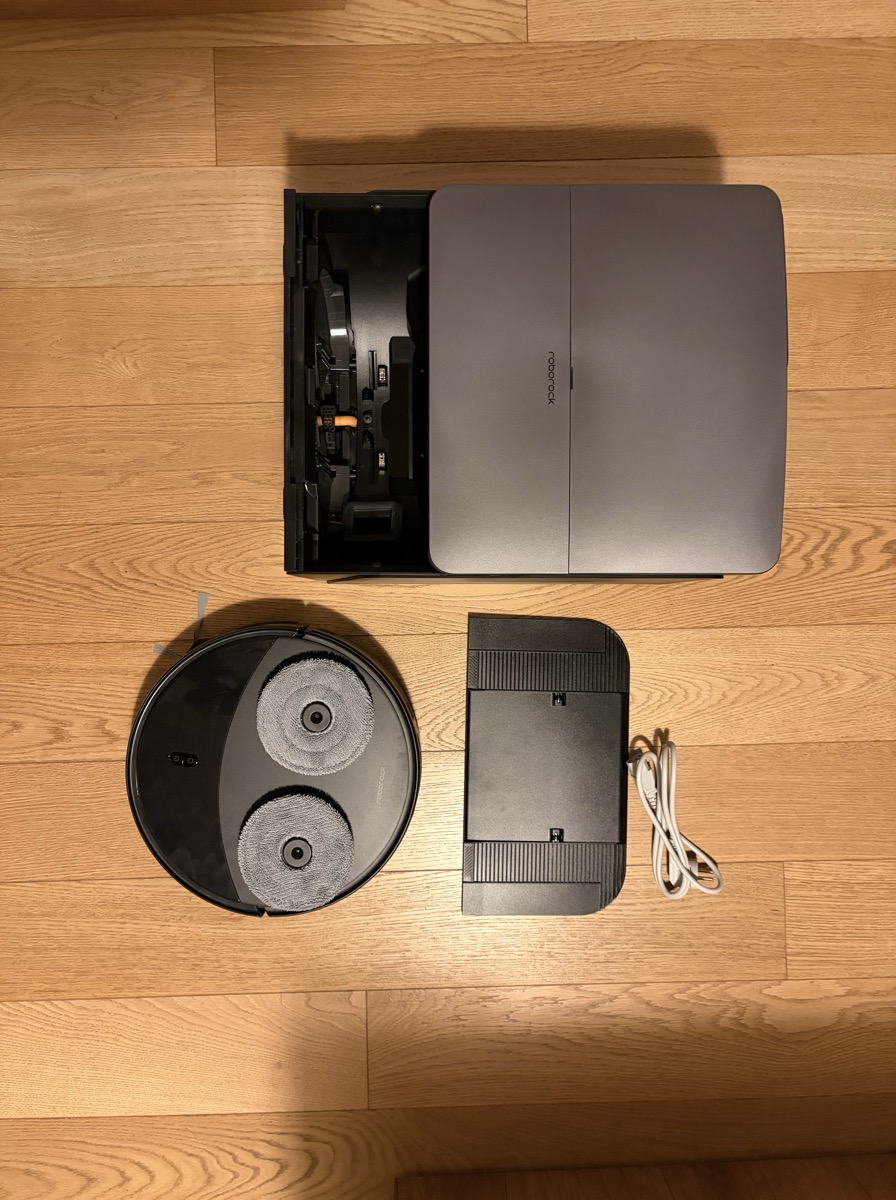
The Saros 20 Sonic is one of the first robot vacuums with native Matter support. This is significant because:
- Apple Home — full control without HomeKit-specific firmware. Start/stop, room selection, battery status
- Google Home — native integration, voice commands, routines
- Amazon Alexa — same native support
- Siri Shortcuts — works through the Matter bridge
Previously, robot vacuum smart home integration required either Roborock’s app, a cloud-to-cloud Alexa skill, or a workaround like Home Assistant with a custom integration. Matter makes the robot a first-class citizen in any smart home ecosystem.
For my Home Assistant setup, this also means I can potentially integrate it through the Matter protocol rather than relying on cloud APIs or unofficial integrations.
Noise Profile
NotebookCheck measured (at 1 meter distance):
- 38 dB — standby / mop drying (whisper-quiet)
- ~60 dB — standard cleaning / mop washing (normal conversation level)
- ~70 dB — maximum suction (vacuum cleaner territory)
At 38 dB standby, you can have it drying mops overnight without it being audible from another room. The 60 dB standard mode is workable if you’re in a different room during a call.
The Specs That Matter
| Specification | Saros 20 Sonic | Saros 10R (prev gen) |
|---|---|---|
| Suction | 36,000 Pa | 22,000 Pa |
| Mopping | Sonic 4,000 vib/min | Rotary pads |
| Threshold crossing | 8.8 cm double | 4 cm single |
| Obstacle types | 300+ | 108 |
| Battery | 6,400 mAh / 200 min | 5,200 mAh / 180 min |
| Dock wash temp | 100°C | 80°C |
| Matter support | Yes | No |
| Height | 7.98 cm | 7.98 cm |
| Dustbin | 259 ml | 270 ml |
Where to Buy in Switzerland
The Saros 20 Sonic Complete is available at CHF 1’099 on Galaxus, Digitec, and nettoshop.ch. The “Complete” version includes the full RockDock with auto-empty, hot wash, and detergent dispenser.
Bottom Line
The Saros 20 Sonic is the most technically impressive robot vacuum I’ve analyzed. The sensor fusion approach (ToF + RGB + structured light) is more sophisticated than what you’ll find in most autonomous mobile robots in industrial settings. The AdaptiLift 3.0 solves a real problem that every Swiss apartment dweller knows. And Matter support finally makes robot vacuums proper smart home devices instead of app-controlled appliances.
Full review: For detailed cleaning performance scores, mopping test results, and buying advice, read my complete Italian review on SpazioiTech.
Keep reading.
Seamless Integration: Home Assistant Matter Bridge for Non-Native Devices in 2026
Unlock the full potential of your smart home in 2026 by integrating legacy and non-native devices with Matter using the Home Assistant Matter bridge. Learn practical strategies.
Home Assistant Matter Thread 2026: Your Ultimate Integration Guide
Master Home Assistant Matter Thread integration in 2026. This guide covers setup, best practices, and future-proofing your smart home.